Hormone Therapy and Better Outcomes After Shoulder Surgery: Is There a Link?
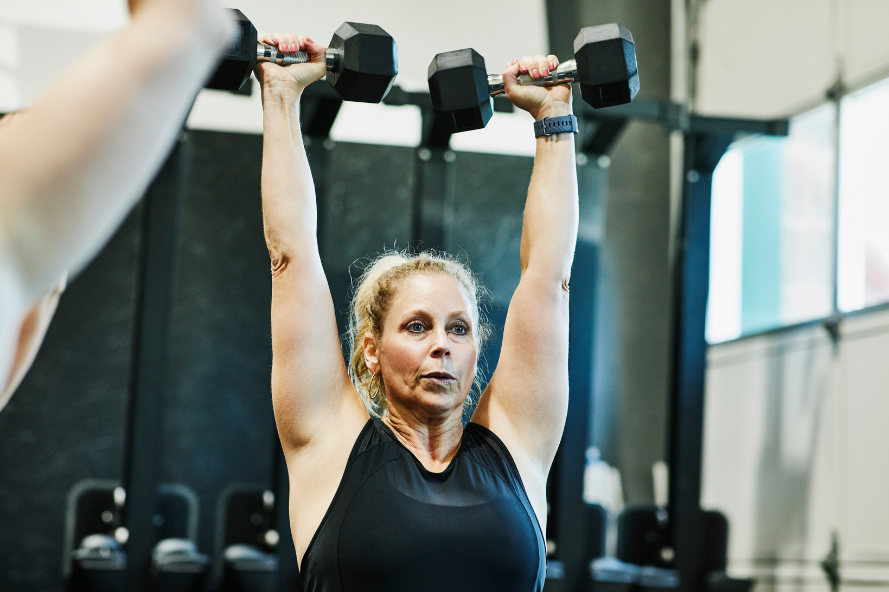
Shoulder problems can make everyday activities like putting dishes away, picking up a crying toddler, or reaching for a seat belt painful and frustrating. The transition to menopause can increase musculoskeletal issues, including shoulder pain. As researchers look for ways to better understand and relieve this discomfort, the role of hormones in musculoskeletal pain has become an emerging area of interest in women’s health research.
In a recent randomized controlled trial, researchers looked at women undergoing rotator cuff repair surgery and whether hormone replacement therapy (HRT) may influence recovery outcomes. The participants were all over the age of 50, with an average age of 61.8 years.
Of the original 254 participants, 184 women responded to a two-year follow-up questionnaire sent by researchers. Among them, 146 women (79%) had been taking estradiol therapy at the time of surgery, while 38 women (21%) were not.
At the two-year mark, the women who had been taking HRT showed statistically significant improvements compared to those not taking HRT in both Subjective Shoulder Value (SSV) and Visual Analog Scale (VAS) scores, measures of shoulder function and pain level, respectively. Although both scales are subjective, improvements in pain and function can make a meaningful difference in quality of life and the ability to perform everyday activities comfortably.
Why did the women taking HRT report better outcomes? Researchers are not entirely sure yet, and more studies are needed. It is still unclear whether HRT directly affects tendon or muscle healing, or whether it influences the shoulder joint in other ways. However, researchers noted that HRT has previously been shown to help reduce arthritis symptoms, which may contribute to these findings.
As research on women’s health and hormone therapy continues to grow, studies like this highlight just how interconnected our body systems truly are. It’s important for women to talk with their healthcare providers to determine whether HRT is the right choice for them individually. At the same time, it’s exciting to gain a better understanding of how hormones may influence musculoskeletal health and recovery, helping women and their providers make more informed decisions during and after menopause.